12 min
Real Artists is a short film by Cameo Wood, starring Tamlyn Tomita and Tiffany Hines. Based on a short story by Ken Liu. It’s won 38 awards, including Best Short Film, Best Sci-Fi, and Best Visual Effects. The Southern Shorts Film Festival was kind enough to award me their Master of the Craft Award for Production Design. It’s also won an Emmy.
I worked closely with Cameo from the beginning to develop the look and feel of the AI character, as well as the design of everything from corporate logos to futuristic thumbprint-activated locks. After filming, there were extensive effects to design and implement. Once the special effects and motion graphics were complete, Cameo let me go a little overboard producing artwork for our marketing campaign.
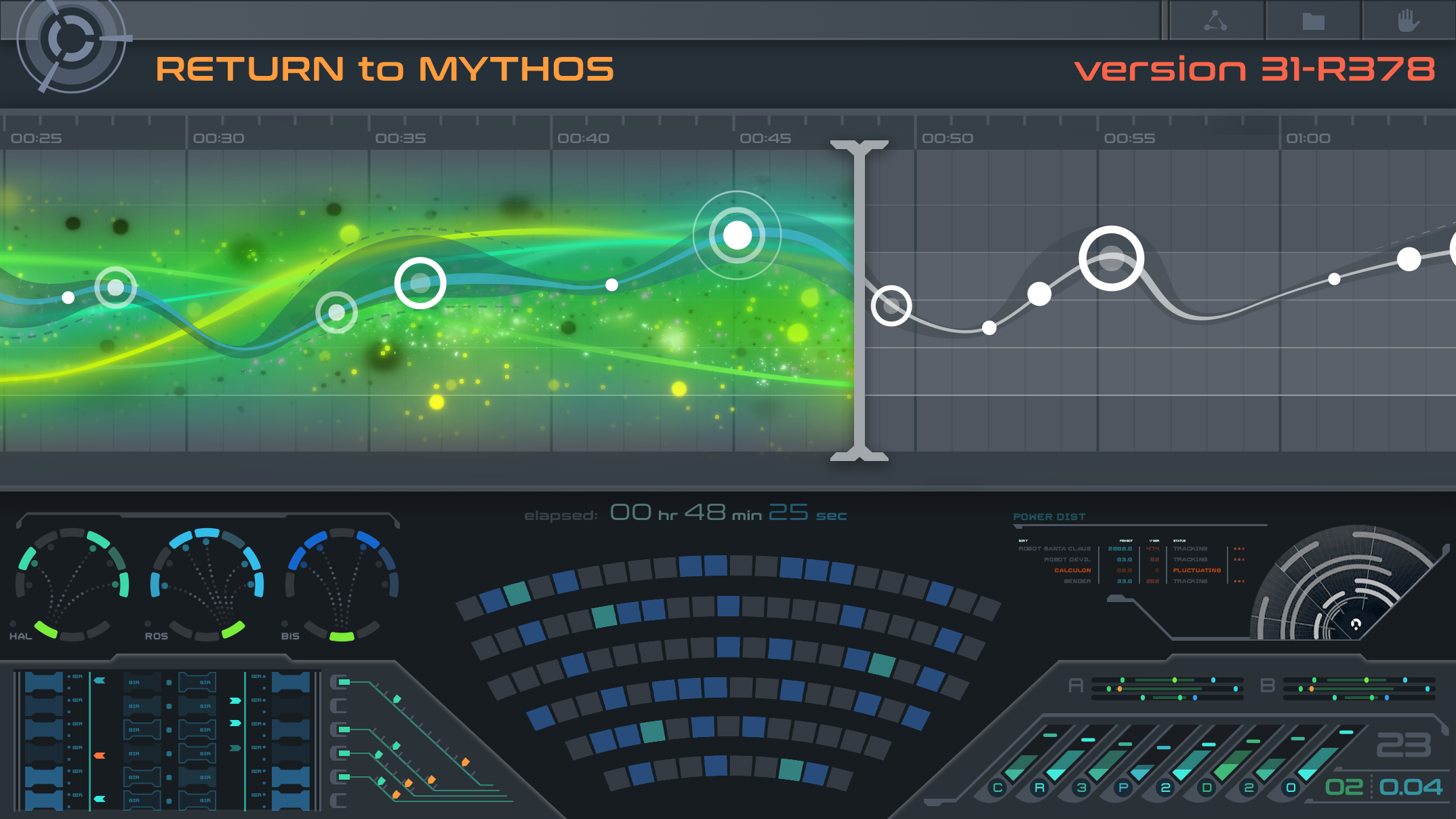
Efforts leading up to filming included development of the fictional company's logo, props used by the actors and seen in the background, and development of the futuristic GUI for the creepy AI character and related computer displays.
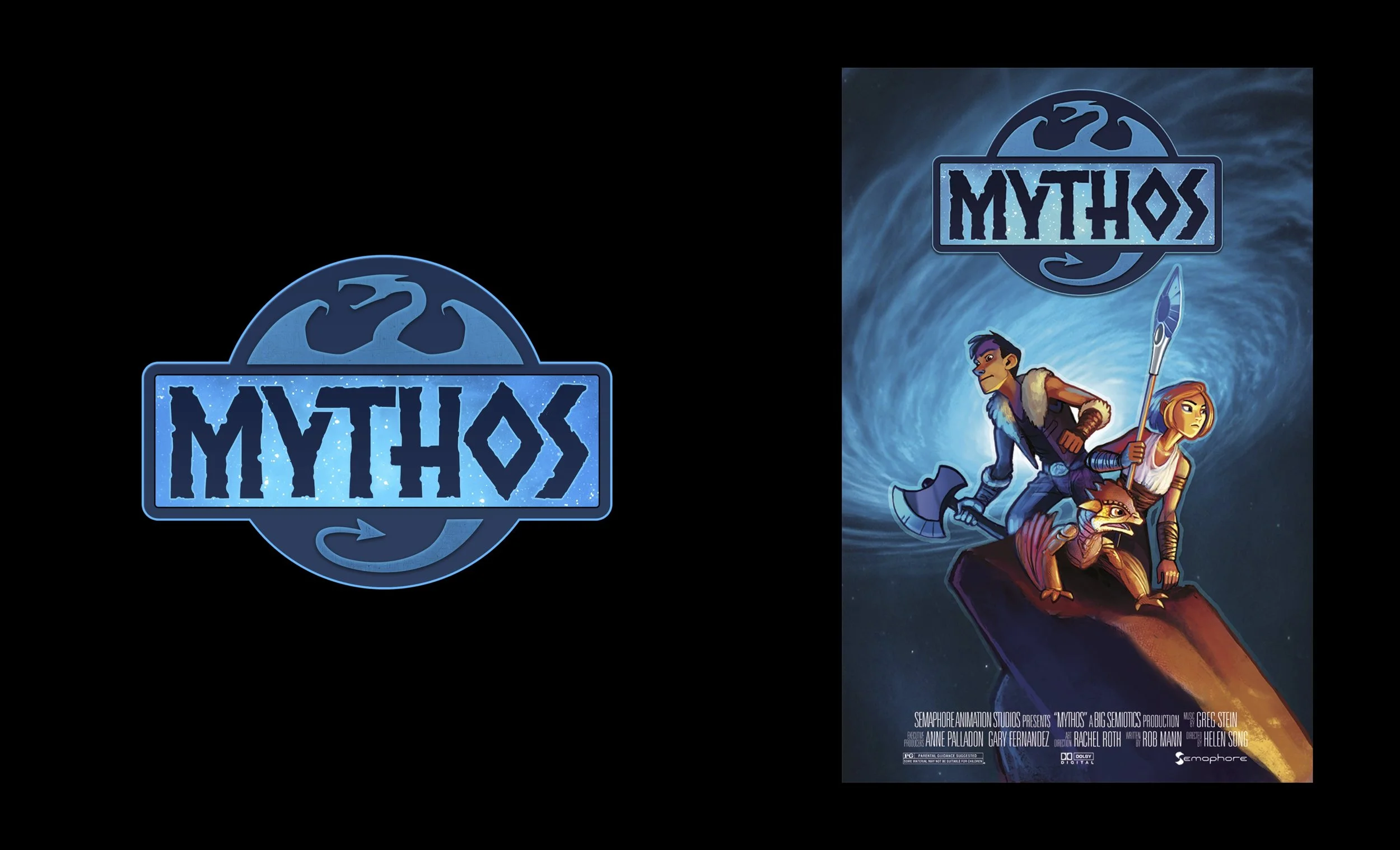
The film’s title, as seen on screen.
This symbol represents the presence of the AI character, and it shows up throughout Semaphore’s computer displays.
The visitor bracelet Sophia wears throughout her visit to Semaphore Animation Studios.
Tiles representing some Semaphore movie concepts. The first two are meant to represent alternate versions of Toy Story and Brave. The third is a movie about birds. The next four concepts come directly from Cameo’s script: a girl and her pig, a romantic comedy between a mongoose and a cobra, a submarine on Mars, and ghost octopus in space (some were supposed to be duds). The last concept is a nod to The Triassic, mentioned in the original short story as the film that inspired Sophia to become an animator. Cameo changed the name of the movie to Mythos when she discovered there was dragon-themed footage freely available for common use, which meant we didn’t have to invent or license dinosaur-themed footage to use in the theater scene.
When developing the film, we would refer to Semaphore Animation Studios as “the PIXAR” of their world. The implication was that Semaphore was that world’s most beloved animation studio, with a seemingly unending string of major animated hits.
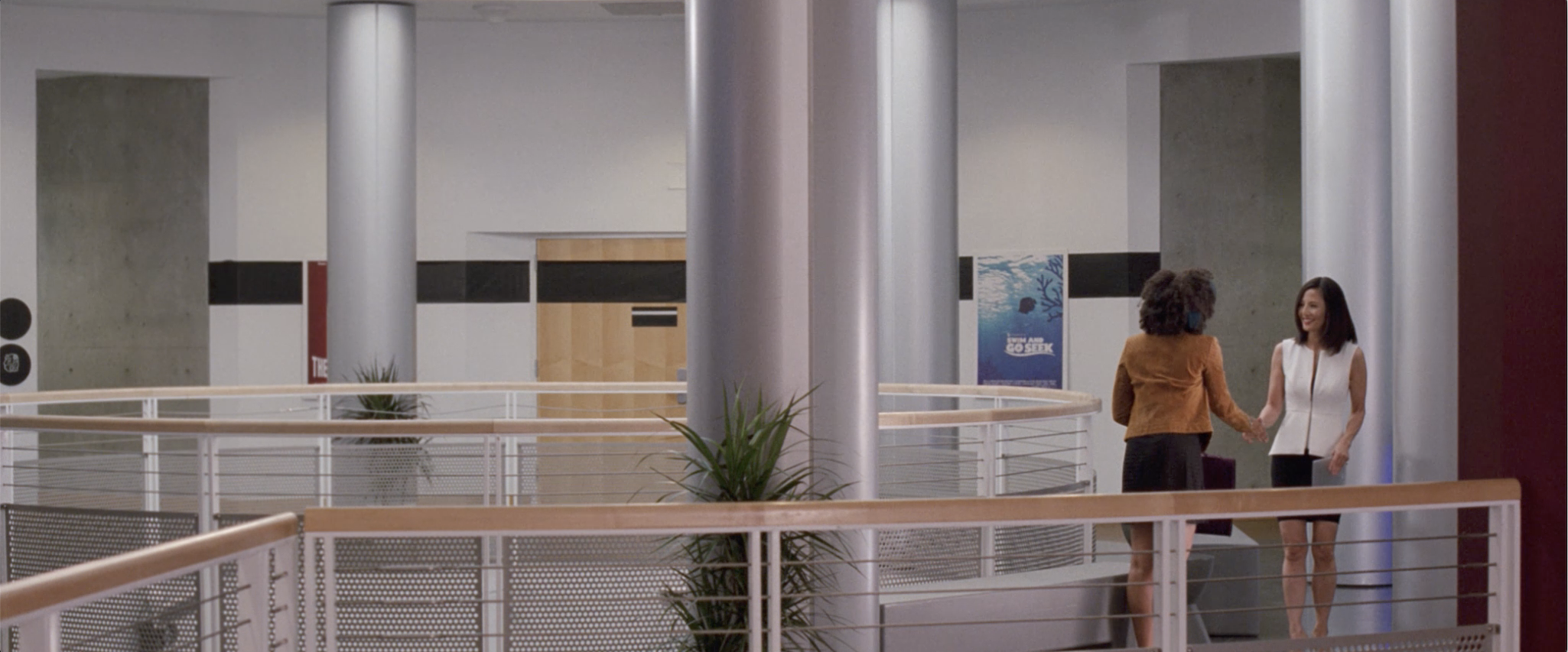
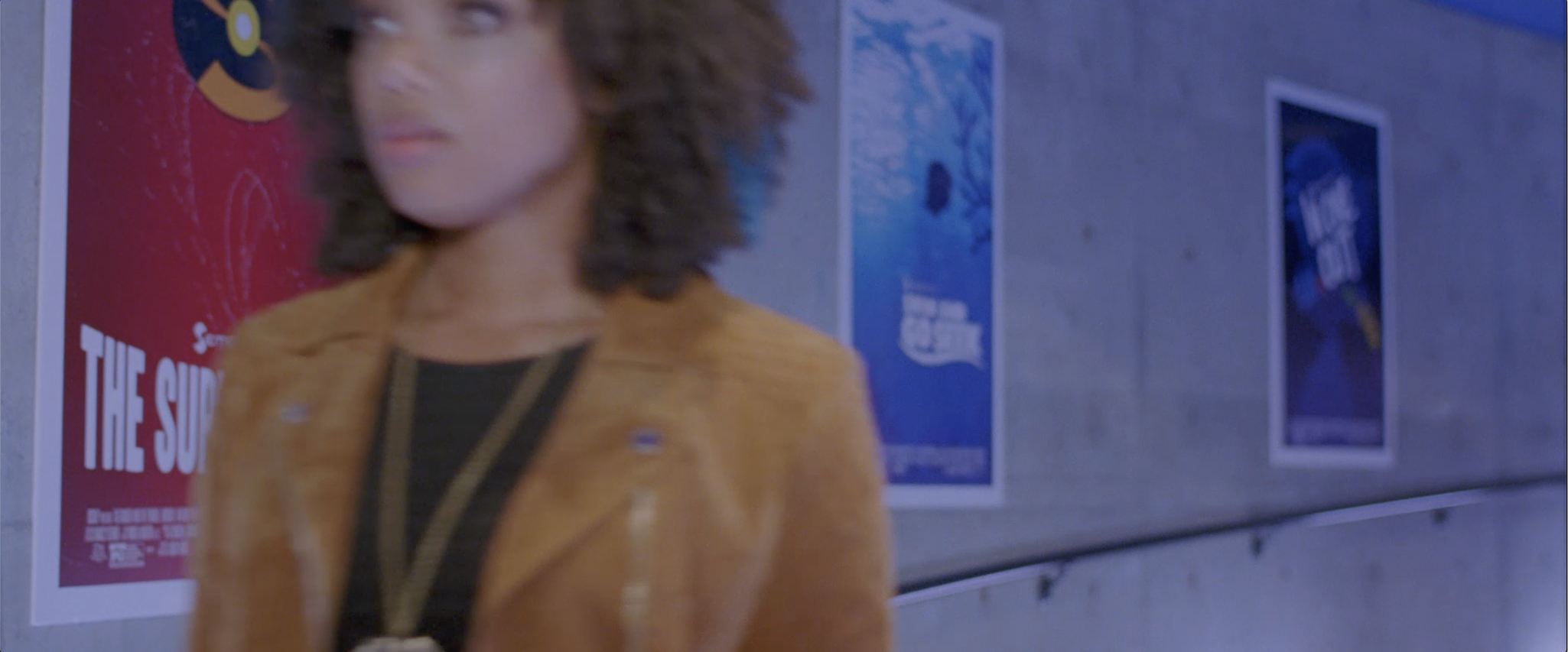
I came up with these posters to use on set and flesh out this alternate universe with its alternate set of familiar films.
Of course, the idea wasn't to rag on PIXAR. We simply wanted to underscore the horror and sense of betrayal that eventually emerges.
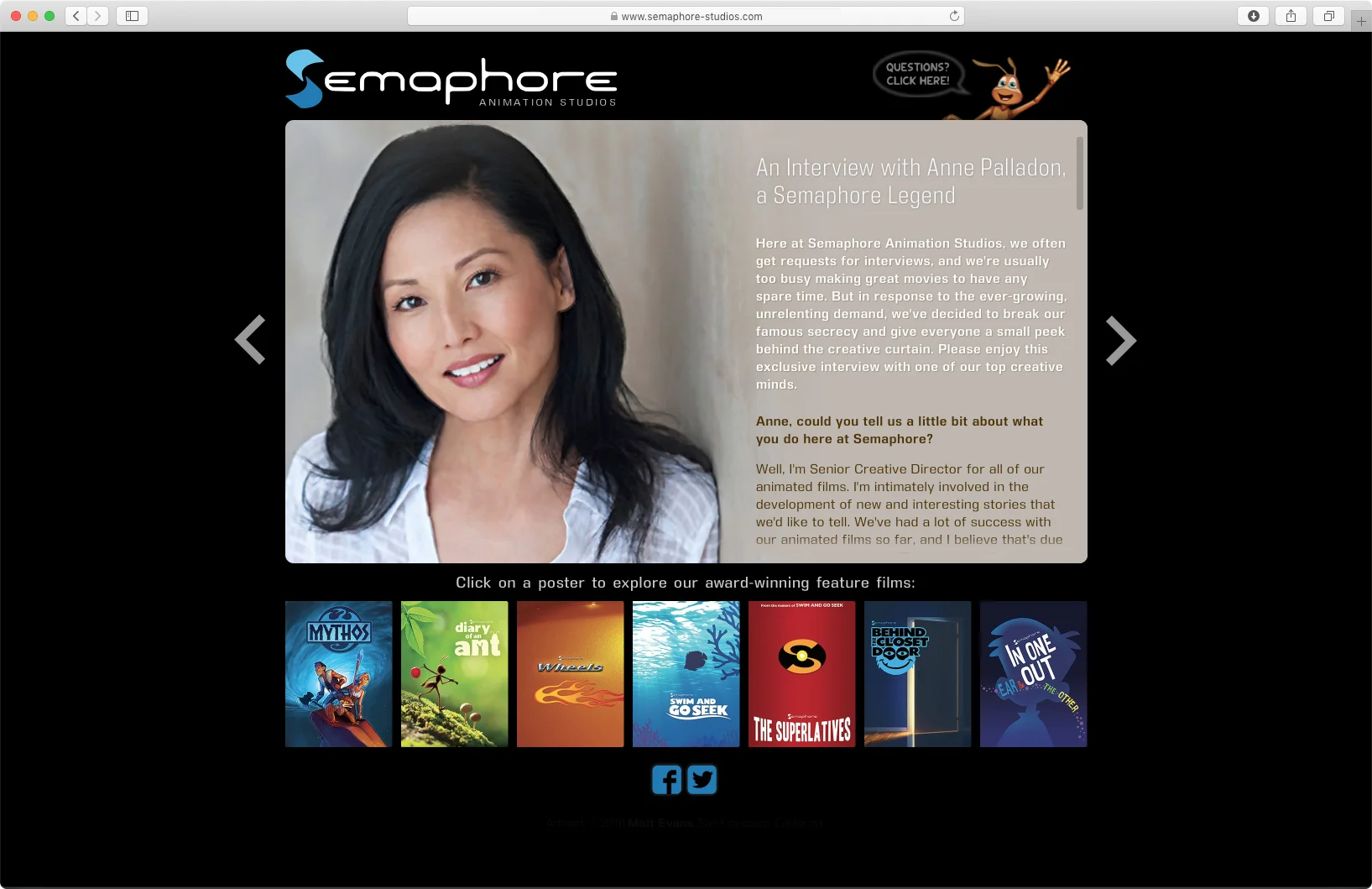
These designs show up again on the fictional Semaphore website created for the marketing campaign.
Post-production is the period after you’ve shot all your footage and you’re ready to start editing, do your color correction, and add any special effects. Real Artists has a lot of scenes with a variety of effects and motion graphic overlays.
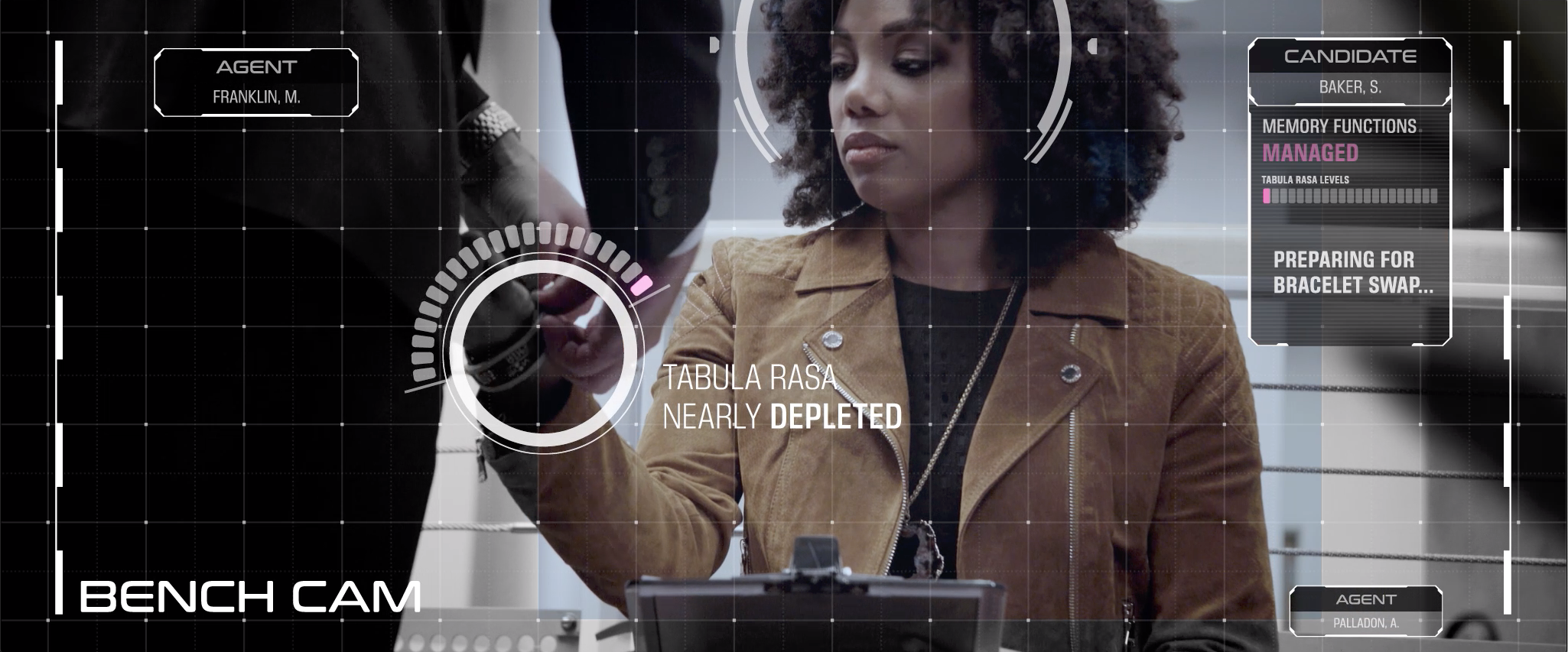
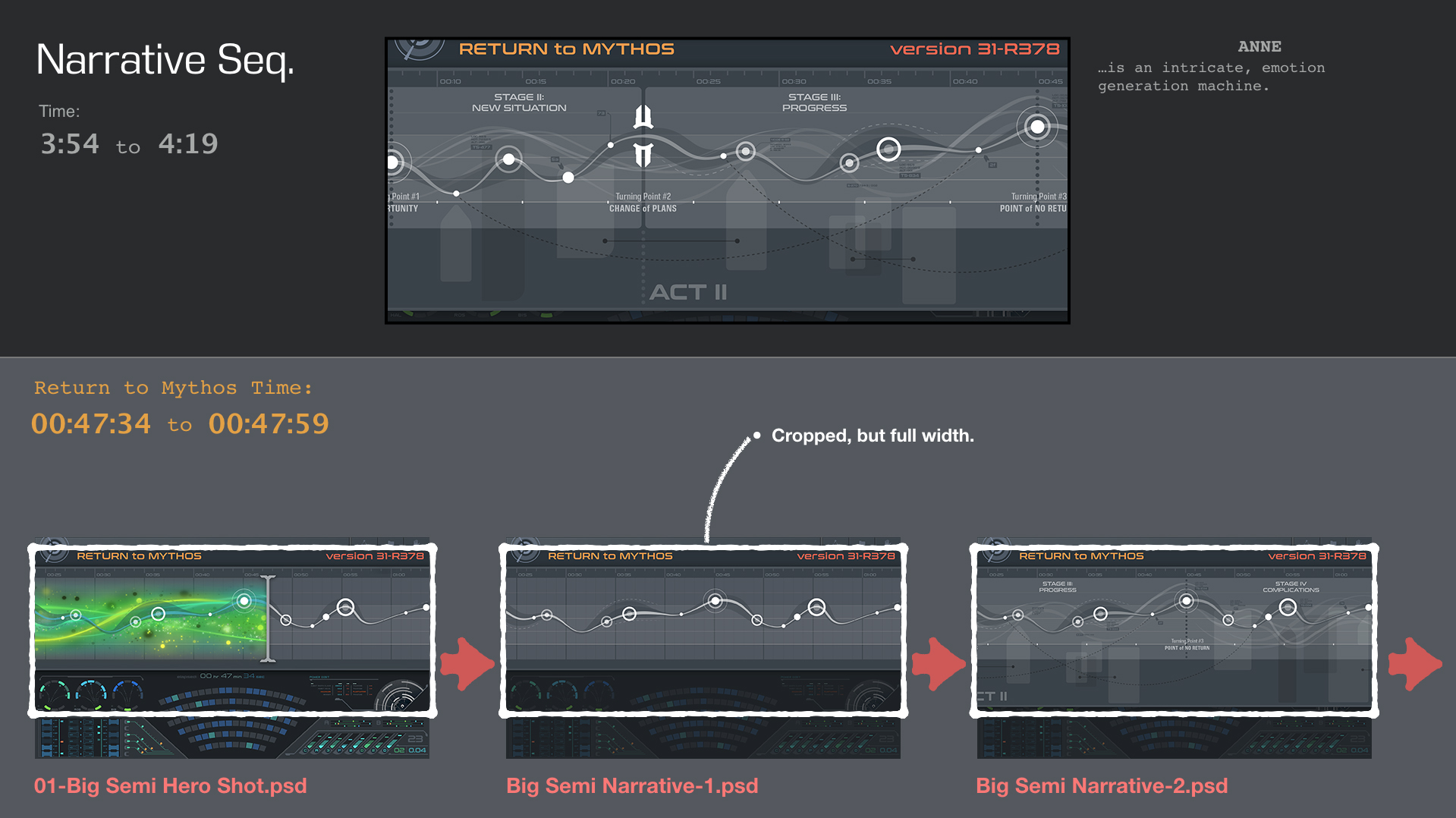
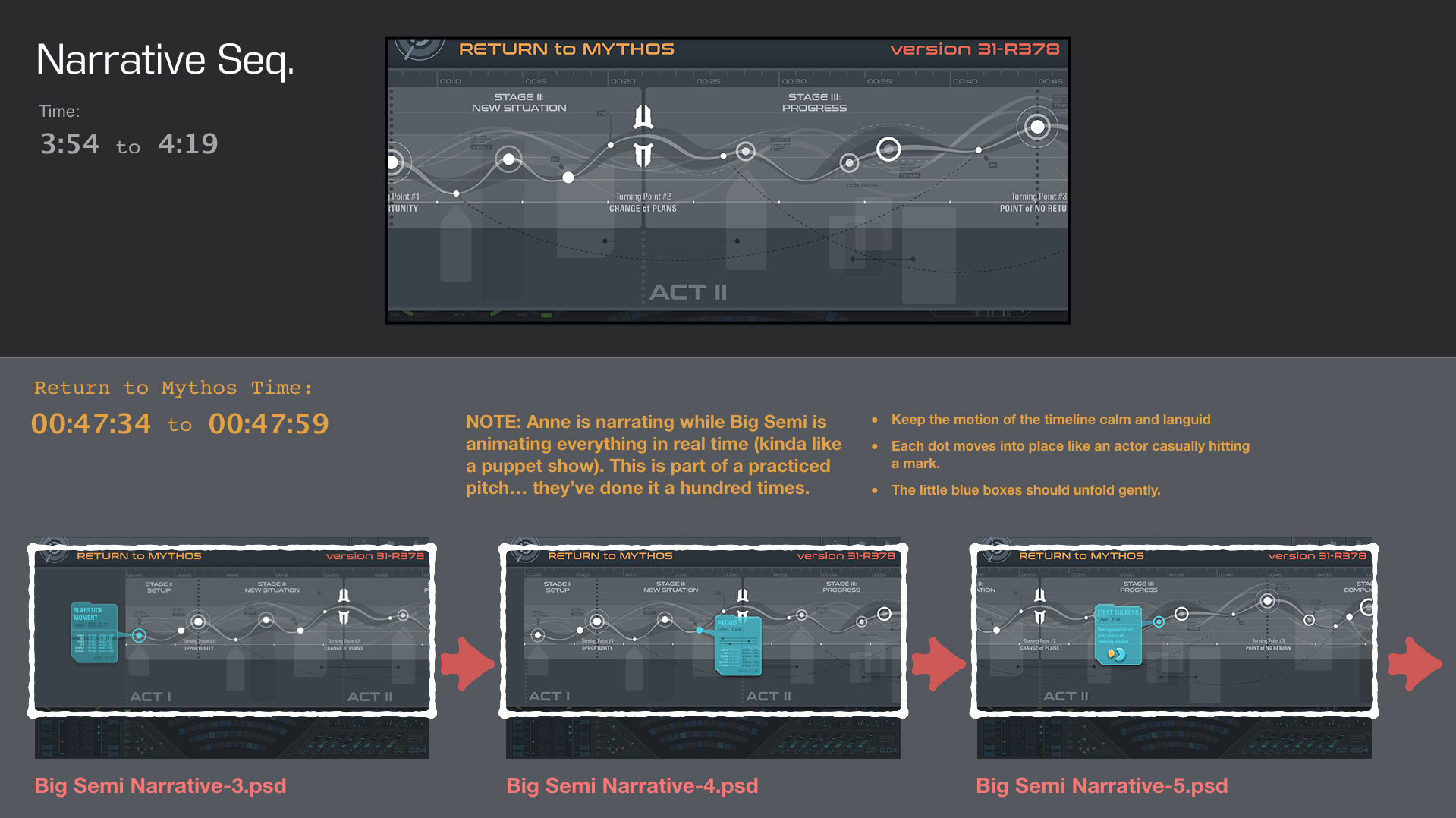
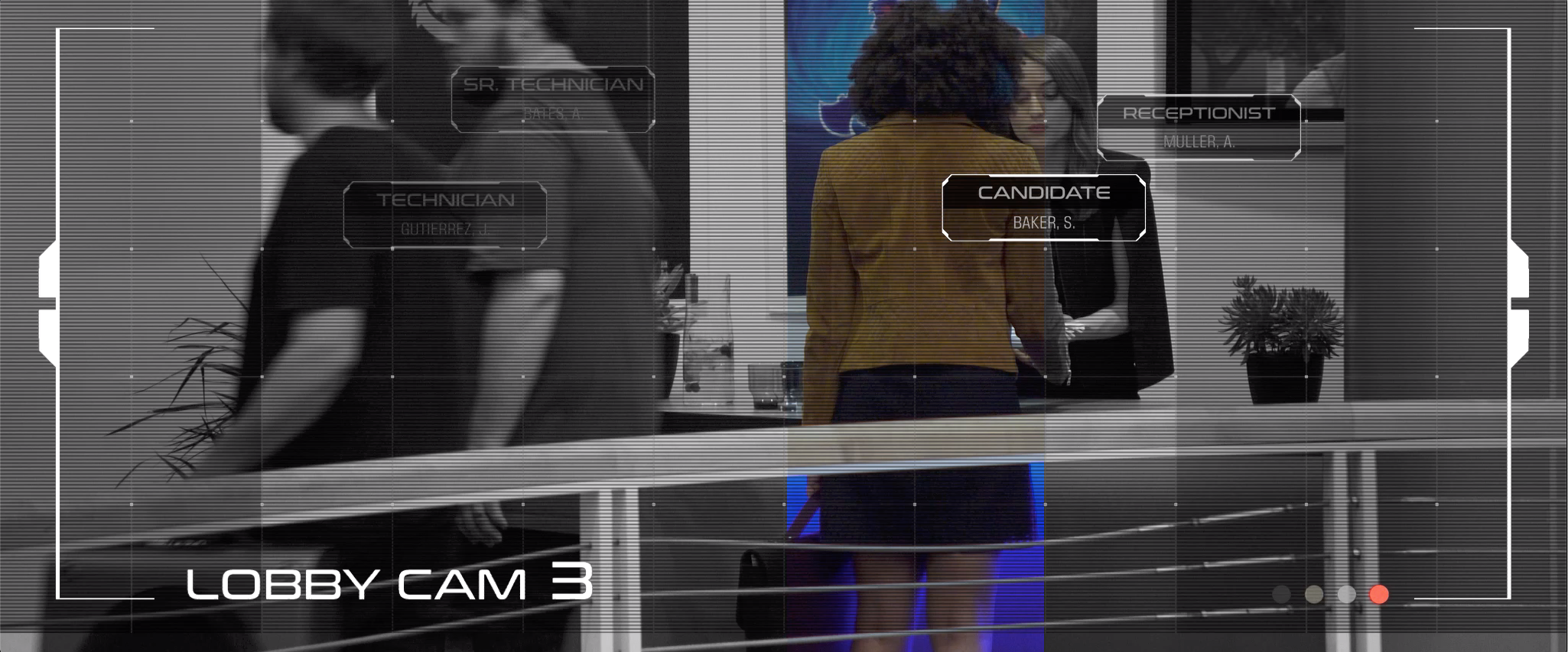
Most of my time working on the film was spent designing surveillance overlays, computer display readouts, and producing detailed documentation for the motion graphics artist, Anna Rottke.
Documentation describing the details of a sequence of special effects shots. Our fabulous (and long-suffering) motion graphics artist had to take my static Photoshop files and make them move and dance like sophisticated and complicated computer displays. Here I’m providing instructions to keep the timecode consistently moving forward across several subsequent shots. It was a small detail, but anyone paying close attention would notice if it appeared to jump around.
BigSemi is short for Big Semiotics (the AI character). Return to Mythos is the film the audience is watching. Upper right: Anne Palladon’s line of dialogue in this shot.
Final composite as seen in the finished film.
Artwork for the effects shot.
Documentation describing the details of a special effects shot.
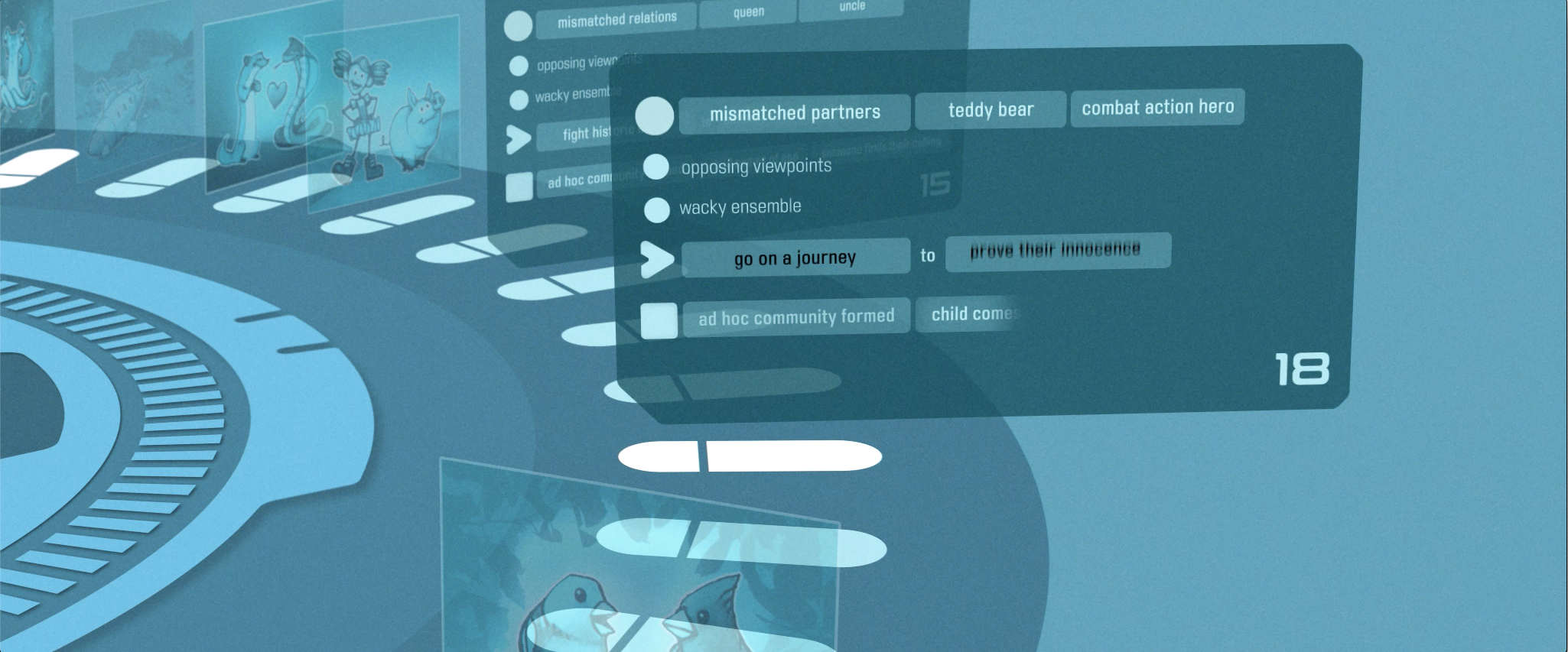
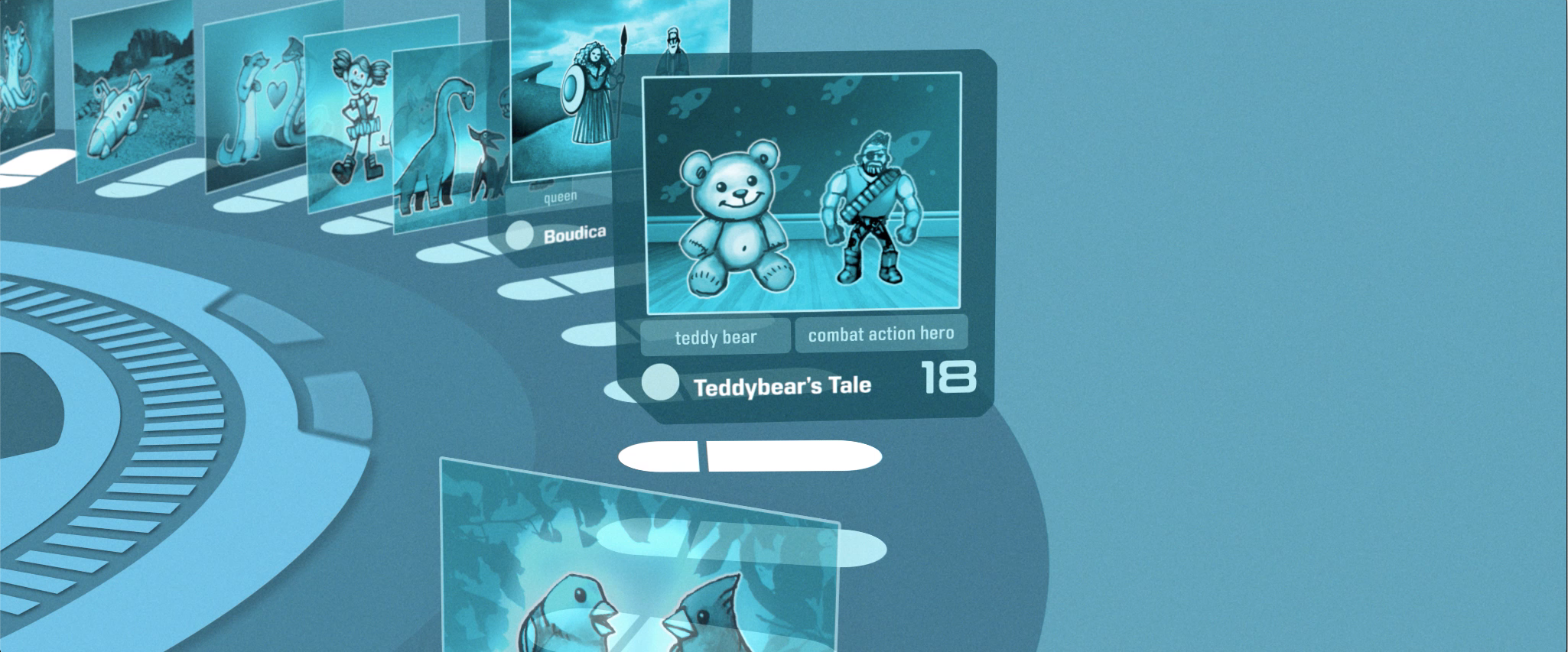
Animated sequence showing Semaphore’s movie-development process.
Teddybear’s Tale corresponds to Toy Story, and Boudica, just behind it, is their world’s version of Brave.
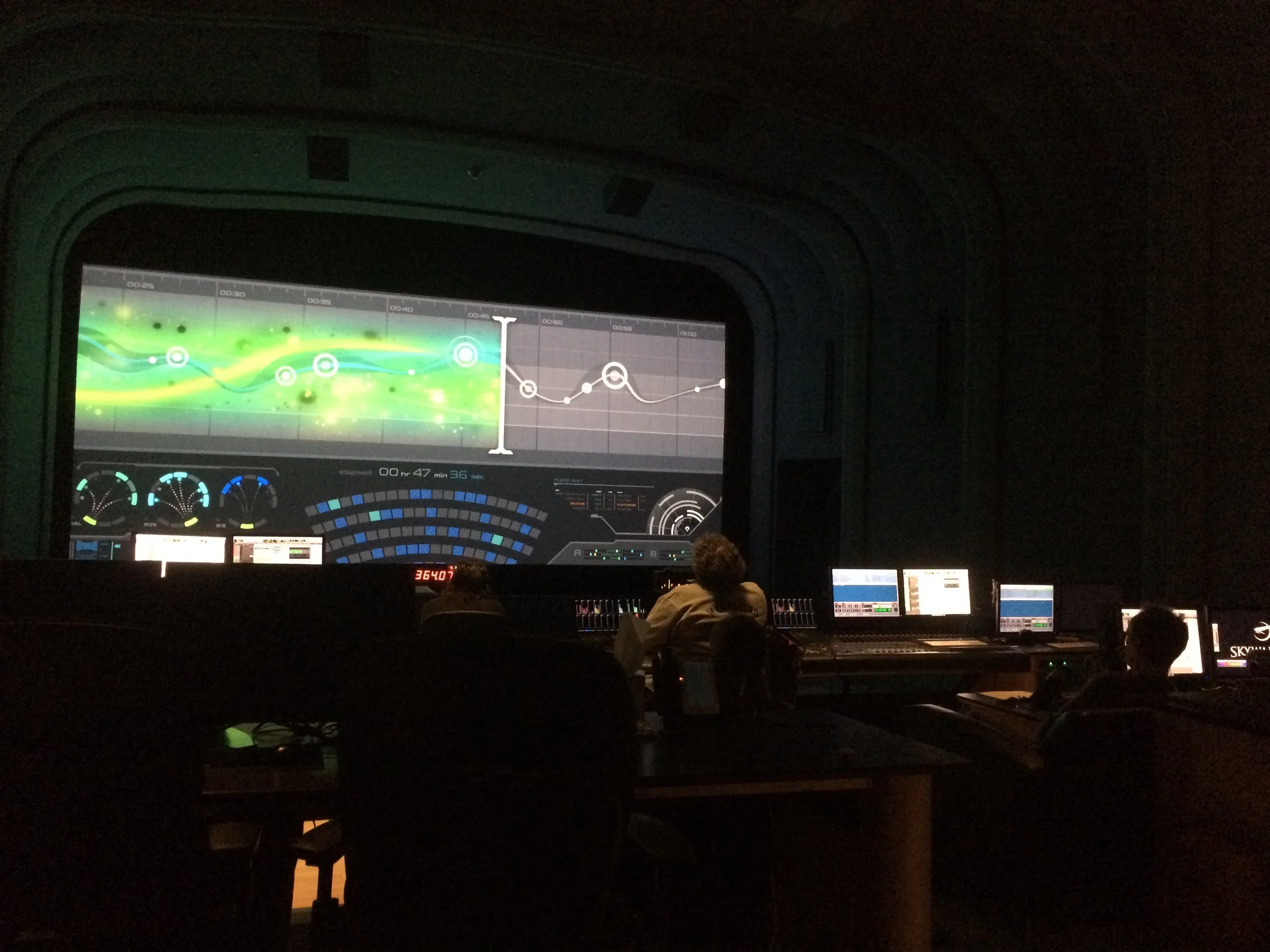
Our film being sound-edited at Skywalker Ranch.
As part of an online marketing campaign, I developed a website for Semaphore (the fictional animation company from the film that’s supposed be that world’s version of PIXAR). The site allows visitors to explore the characters and artwork of Semaphore’s hit movies.
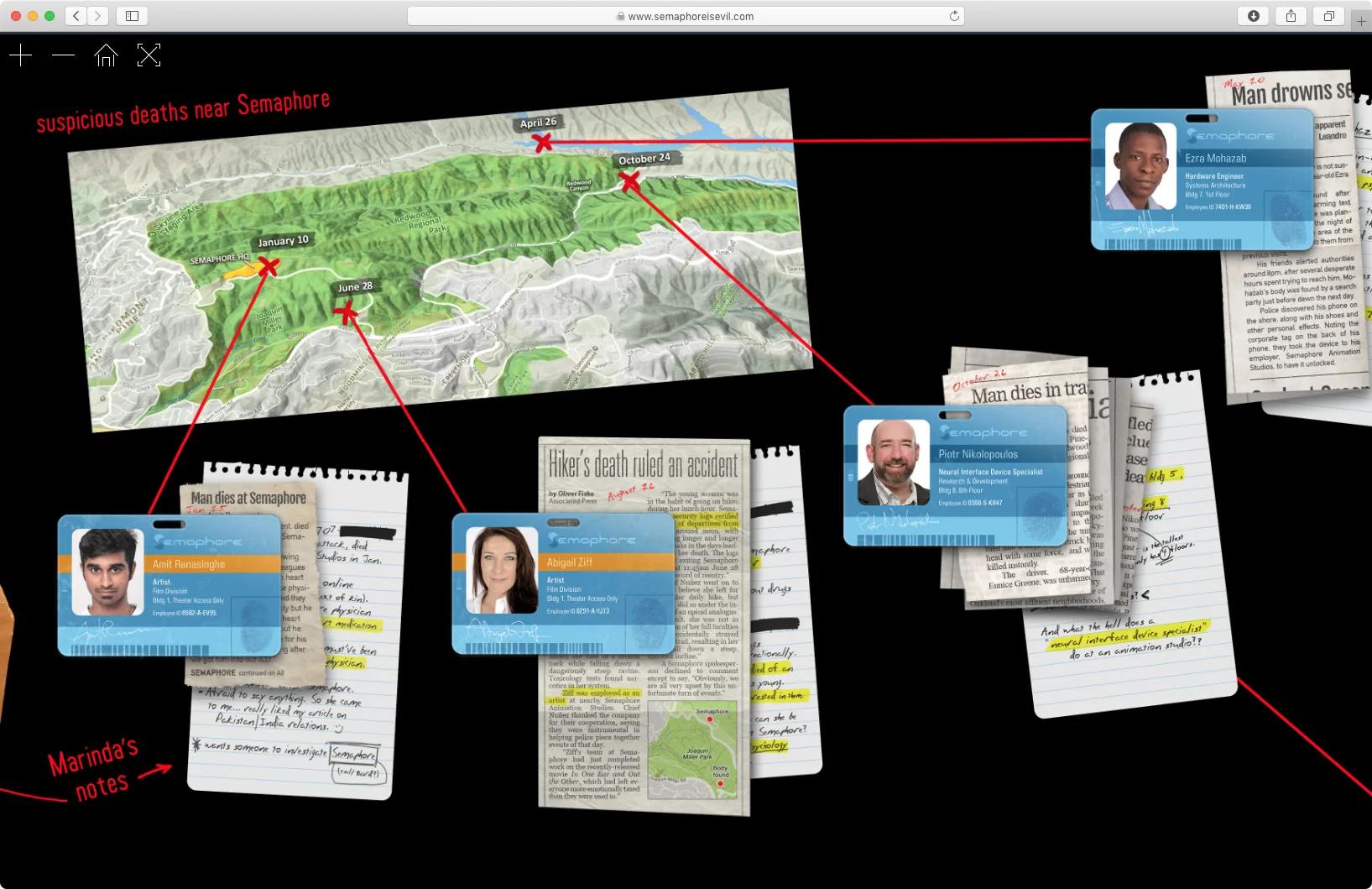
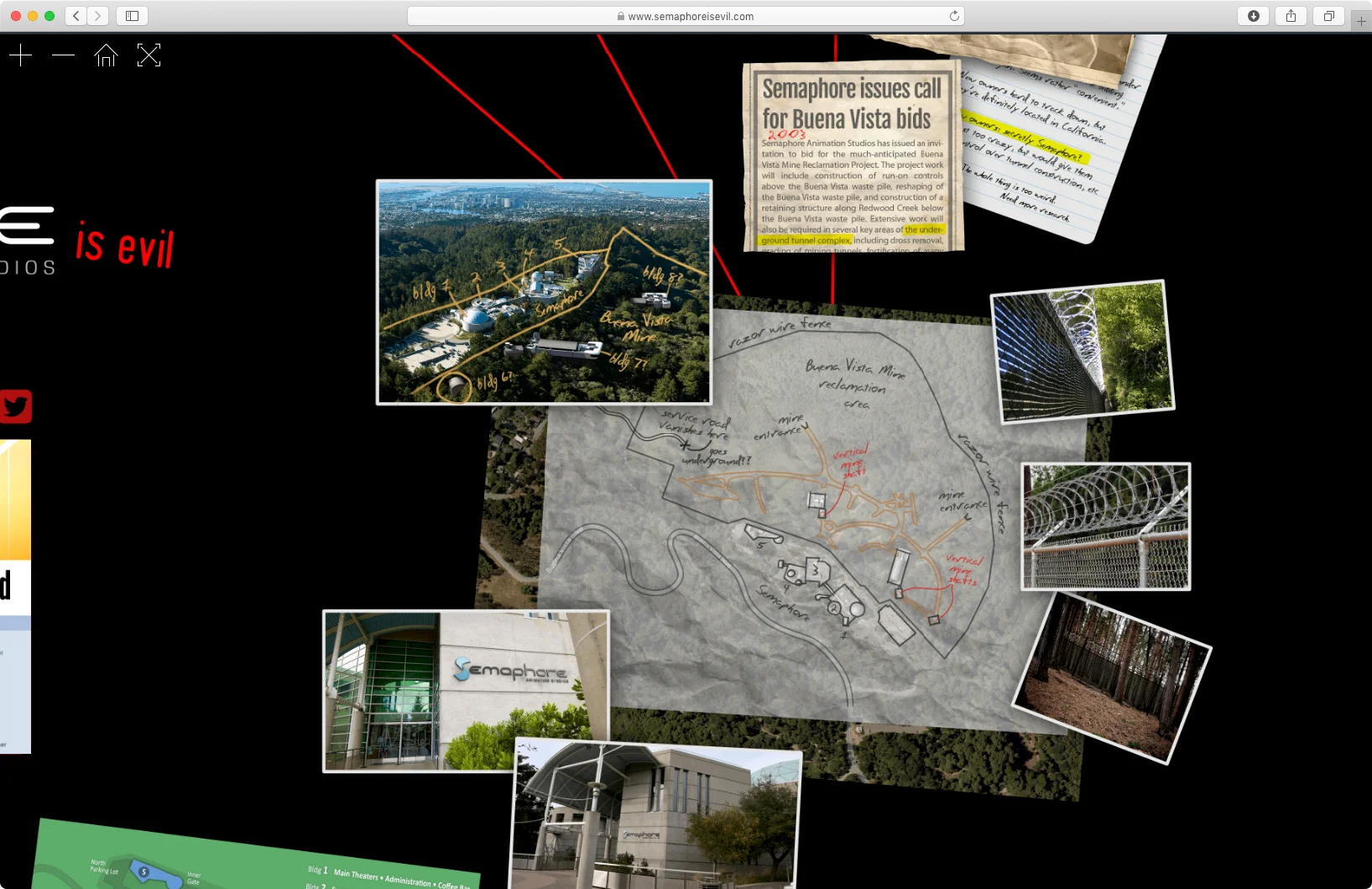
Later I designed a conspiracy website depicting someone’s effort to catalogue Semaphore's alleged sinister doings and reveal them to the world.
Detail of the Semaphore is Evil website. Clicking anything would bring it forward, allowing you to inspect items, read notes, and start to see an emerging pattern of unsettling events.